
All services
Safety
The radon process, start to finish
Test the home, understand the result, fix it if needed, then prove the fix worked.
Radon is a radioactive gas that rises from the soil. You cannot see, smell or taste it, so the only way to know a home’s level is to test. The EPA recommends fixing a home at 4.0 pCi/L or higher and considering it between 2.0 and 4.0 pCi/L.
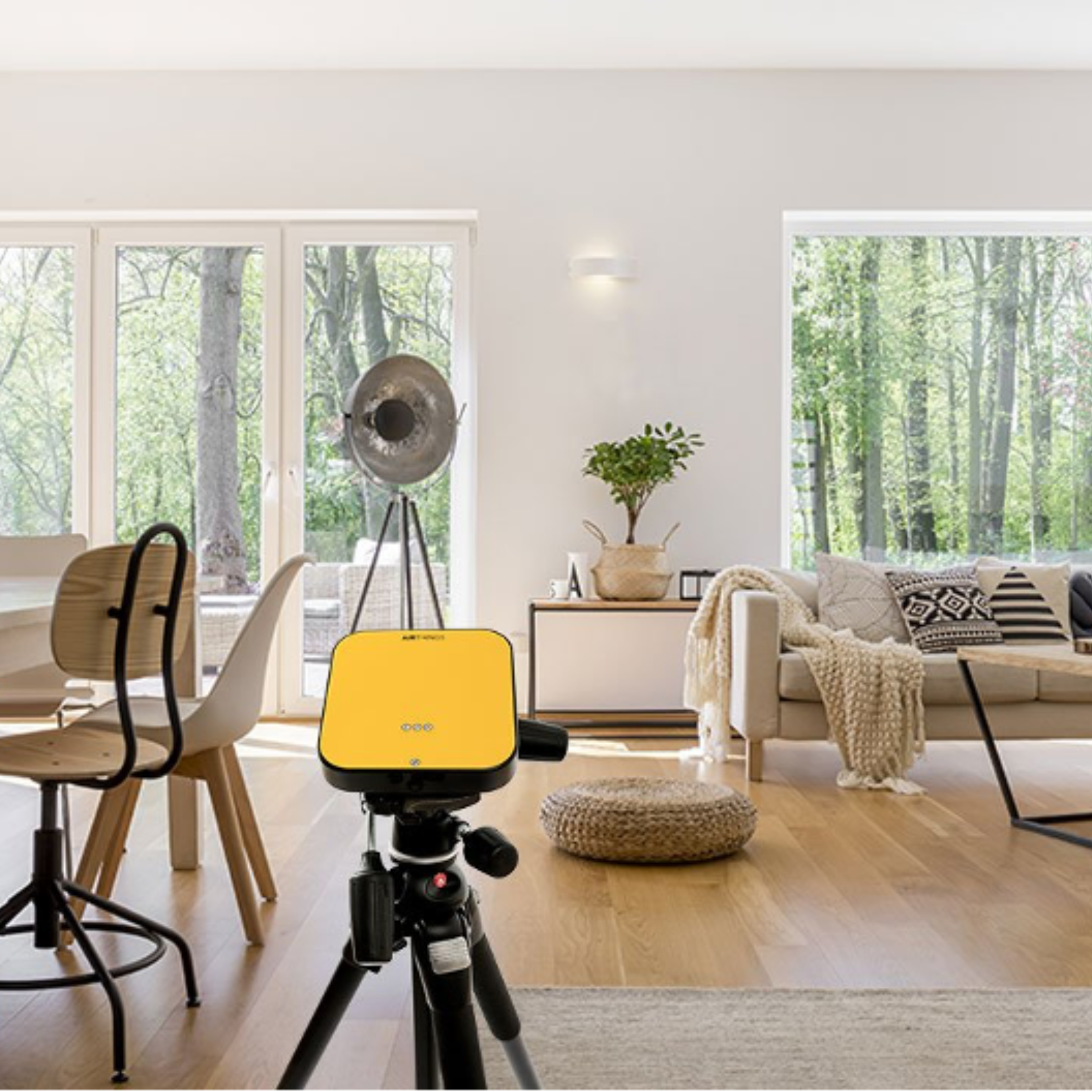
- A professional test in the lived-in part of the home
- A plain-language review of the result
- A mitigation system planned for your foundation
- A retest after the system is installed
Why it matters
Radon is the second-leading cause of lung cancer in the U.S.
The EPA estimates about 21,000 lung-cancer deaths a year are radon-related. The risk comes from long-term exposure, which is why testing — and fixing a high result — matters.
What you get
A clear answer at every step
The process
Six steps from the first test to a proven fix.
Test the home
Review the result
Plan the system for your foundation
Install, seal and label the system
Retest to prove the fix
Keep an eye on it
Useful answers
Questions about the radon process.
How long does a radon test take?
A short-term test typically runs 2–7 days. For real-estate transactions we offer fast-turnaround testing to keep your closing on schedule.
What level needs a fix?
The EPA recommends fixing a home at 4.0 pCi/L or higher, and considering action between 2.0 and 4.0 pCi/L because lower levels still carry some risk.
How does a mitigation system work?
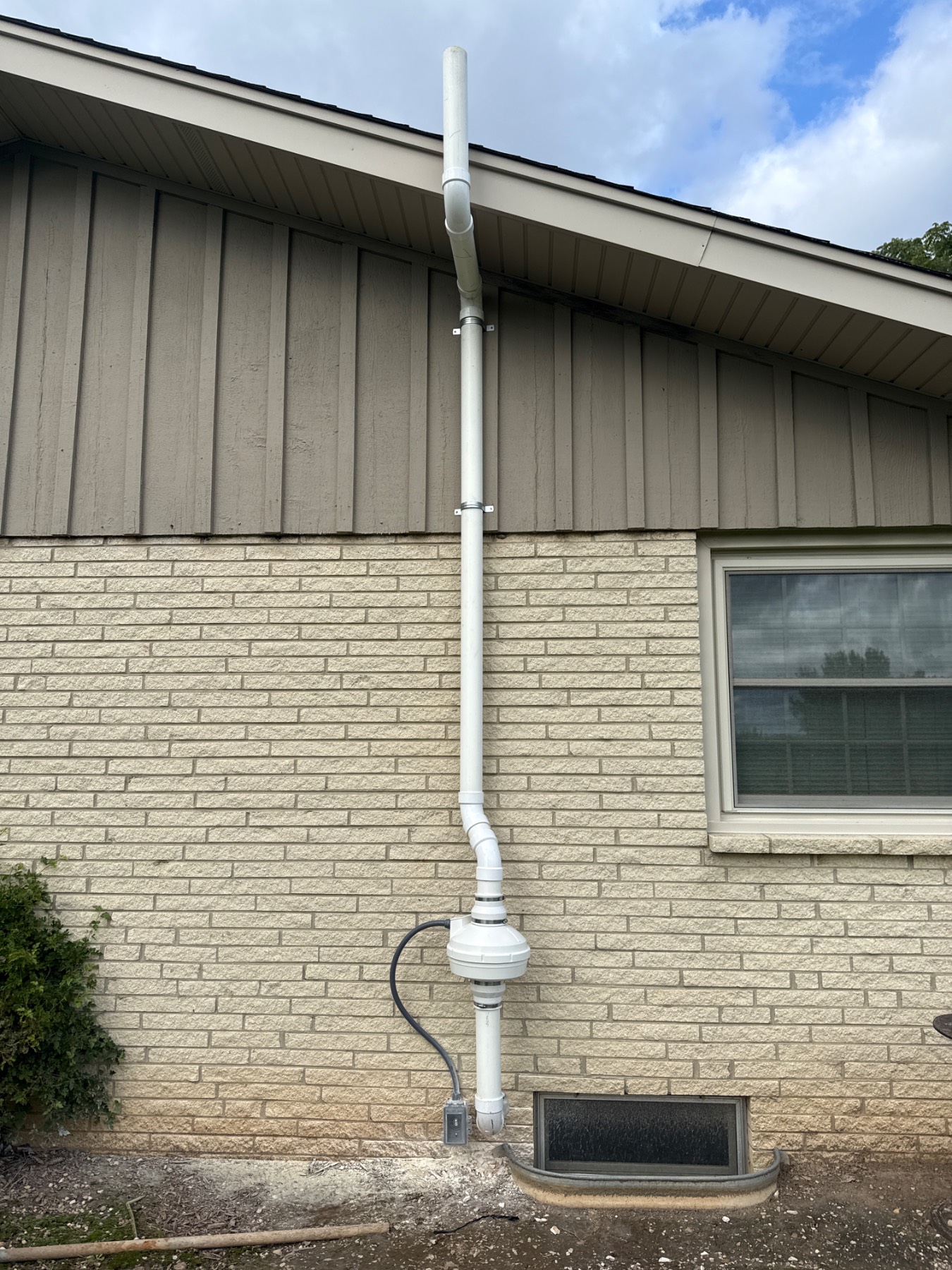
A suction point is created beneath the basement slab, a sealed pipe runs from it up and out of the house, and a continuously running fan pulls soil gas out before it can enter the living space.
How do I know the system is working?
We retest after installation to confirm your new level — that is the proof. The system also has a manometer, a small gauge on the pipe that shows at a glance it is pulling suction.
How often should I retest?
The EPA recommends retesting every two years, and after major renovations or changes to the home — even if you already have a mitigation system.
Certified, licensed & registered
- Better Business BureauAccredited Business
Licensed & registered
- Minnesota Department of Health — Radon Mitigation Company License #RCO-00060 · Lifetime Home Services LLC
- Minnesota Department of Health — Radon Mitigation Company License #RCO-00021 · Lifetime Radon Solutions Inc
Financing options
Discuss the scope before choosing a payment path.
Financing is subject to approval and availability. Review the current provider, rates, terms, and disclosures before applying.
Review financingLocal service
Confirm the project address and service route.
Use the location guide or enter the ZIP in the quote path so the right local context travels with the request.
Choose a locationA clear next step
Have a project in mind?
Choose the service and location, or call the team with the project context in front of you.